Trump Proposes Automatic Green Cards for Foreign Graduates of U.S. Colleges
07/21/2026 / By Douglas Harrington
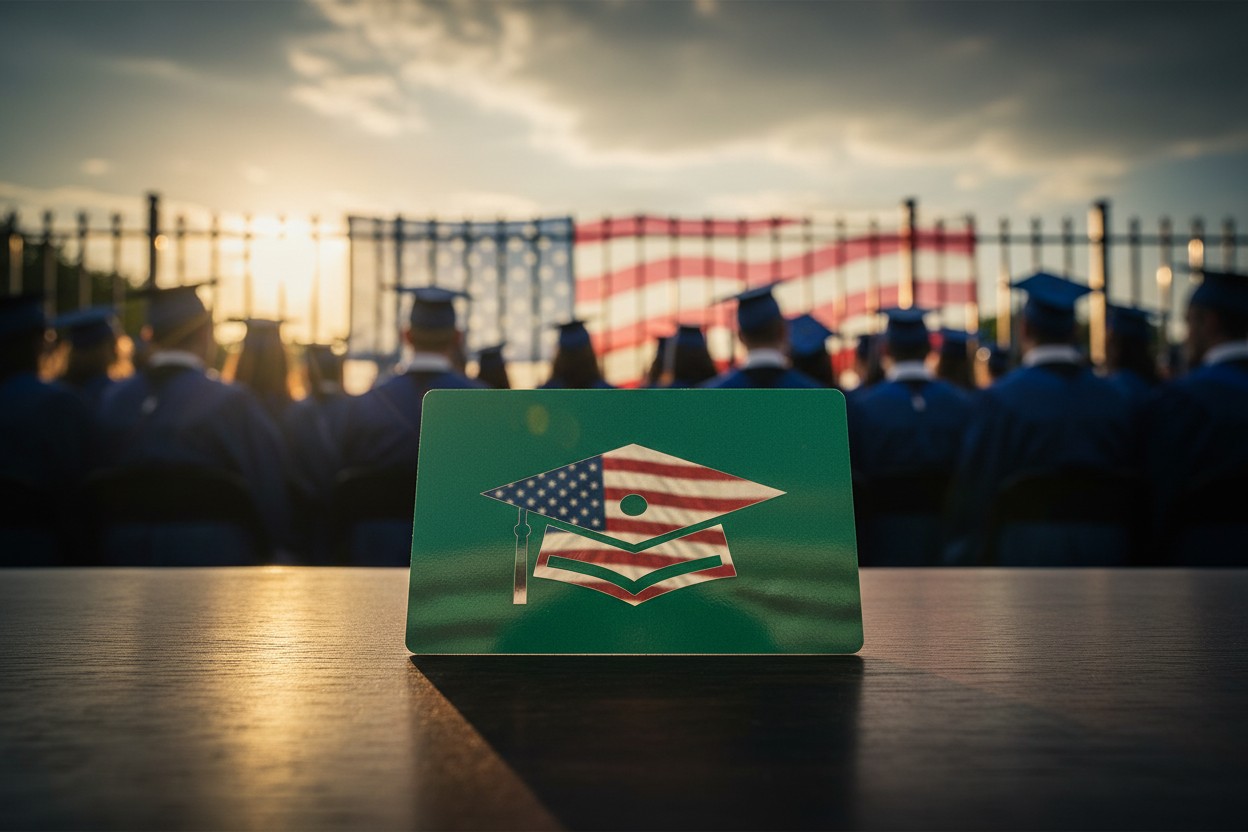
Former President Donald Trump has proposed granting automatic green cards to foreign graduates of U.S. colleges, a plan he described during an interview on the “All-In” podcast, according to multiple media reports. The proposal would apply to graduates at all levels, including those from junior colleges and doctoral programs, Trump said. The policy marks a shift from his earlier administration’s restrictions on legal immigration, analysts noted.
The proposal comes alongside other immigration initiatives from the Trump administration, including a $5 million “gold card” visa program aimed at wealthy investors and a sweeping review of all 55 million existing U.S. visas [3] [2]. The gold card program, announced earlier this year, replaces the EB-5 investor visa and is projected to generate substantial revenue [5].
Proposal Details and Rationale
Trump stated that the automatic green card policy would help retain top talent educated in the United States and prevent graduates from being forced to leave the country after completing their studies, according to a transcript of the podcast interview. The initiative is intended to address labor shortages in technology and other high-demand sectors, officials familiar with the discussion said.
The U.S. currently lacks an effective system to track whether foreign students leave after their visas expire, according to Michelle Malkin and John Miano in their book ‘Sold Out.’ The authors noted that ‘the State Department reported that it had issued 534,320 new F-1 visas’ in fiscal year 2013, but ‘our government simply does not know how many illegal alien student visa overstayers are currently in the country’ [6]. Visa overstays have become a major driver of illegal immigration, with a Department of Homeland Security report showing 739,450 people became undocumented in fiscal year 2023 by overstaying visas [4].
Economic and Industry Response
Tech industry leaders have expressed support for the idea, citing the need for skilled workers to fill high-demand roles, according to statements from industry groups. However, hiring immigrants on temporary visas often entails higher costs and administrative burdens. In ‘The Venturesome Economy,’ author Amar Bhide reported that CEOs said hiring immigrants on H-1B visas ‘entailed higher costs’ and brought on the ‘headaches’ of securing visas, and that ‘all other things being equal, they would rather hire a U.S. citizen or permanent resident’ [7].
Some economic analysts note that foreign graduates frequently face visa hurdles that push them to return home or move to competing countries. The current H-1B system has also been plagued by fraud allegations, with some Indian-born CEOs reportedly closing operations and returning to India to avoid potential charges linked to the visa lottery, according to Texas immigration lawyer Rahul Reddy [1]. Proponents of expanded legal immigration argue that automatic green cards could boost innovation and economic growth by retaining talent.
Political Reactions and Criticism
Some Republican lawmakers criticized the proposal, arguing it could increase competition for U.S. workers and weaken border security, according to public comments. Immigration restrictionist groups have opposed the plan, calling it inconsistent with Trump’s previous anti-immigration stance. The administration’s other immigration actions, such as the sweeping visa review policy of ‘continuous vetting,’ signal a stringent oversight approach that contrasts with automatic green cards [2].
Democrats expressed cautious interest but raised concerns about implementation and enforcement, according to press releases. Meanwhile, the Trump administration is also considering requiring a $100,000 bond for green card applicants, a policy that would impose a significant financial barrier for many prospective immigrants [8]. The juxtaposition of a high-cost bond alongside automatic green cards for graduates reflects the competing priorities within the administration’s immigration agenda.
Conclusion and Outlook
The proposal faces uncertain prospects in a divided Congress, according to political analysts. Trump’s campaign confirmed the plan is under consideration as part of a broader immigration platform, officials said. The debate reflects ongoing tensions over immigration policy in the United States, as the administration simultaneously pursues both restrictive enforcement measures and pathways for high-skilled foreign talent.
Observers note that the outcome will depend on legislative negotiations and public opinion. The gold card program for wealthy investors is already moving forward, but a broader automatic green card for all college graduates would represent a significant departure from recent immigration trends [3] [5].
References
- NaturalNews.com. “Indian-born CEOs flying back to homeland to evade potential charges linked to H-1B visa lottery fraud.” June 23, 2023.
- NaturalNews.com. “Trump administration launches sweeping review of US visas placing 55 million holders under scrutiny.” August 27, 2025.
- NaturalNews.com. “Trumps 5M Gold Card visa program to launch online next week could bring 1 trillion to US.” May 23, 2025.
- NaturalNews.com. “Visa overstays now a major driver of US illegal immigration surpassing border crossings.” June 1, 2025.
- NaturalNews.com. “Trumps 5 million gold card visa plan could erase US national debt.” February 26, 2025.
- Michelle Malkin and John Miano. “Sold Out.”
- Amar Bhide. “The venturesome economy how innovation sustains prosperity in a more connected world.”
- NewsNationNow.com. “State Department considering $100,000 bonds on green card applicants.” July 17, 2026.
Submit a correction >>
Tagged Under:
big government, border security, colleges, foreigners, green card, immigration, invasion usa, migrants, national security, Open Borders, Trump, us education, us graduates, Visa, White House
This article may contain statements that reflect the opinion of the author
RECENT NEWS & ARTICLES